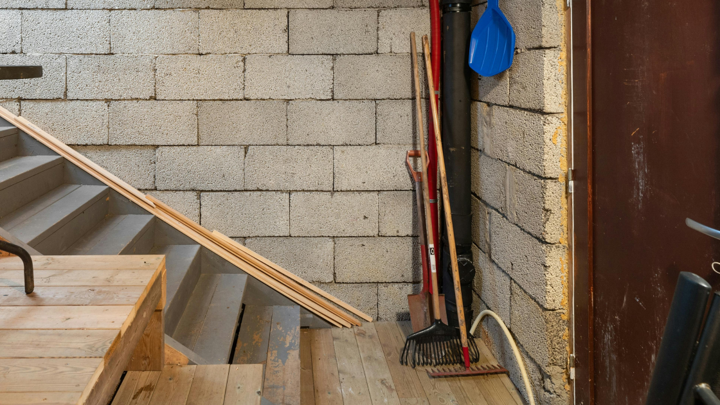
Homeowners often search for a home waterproofing company in Belton after a real moment occurs. You find water near the basement wall. You notice the air feels heavy. Maybe a door upstairs has started sticking, and now you are wondering whether all of it connects.
Sometimes it does. Basement water and foundation movement often come from the same source: soil and moisture. Belton homes deal with changing weather, heavy rains, dry stretches, and clay soil that can swell and shrink around a foundation. When the soil gets soaked, it can press against basement walls. When it dries, it can pull away and leave gaps where water later collects.
That cycle can create little warning signs before a homeowner sees a major crack or a visibly leaning wall. The goal is not to assume the worst. The goal is to notice the pattern early enough to avoid bigger repairs.
If your basement keeps getting wet, the house is asking for attention.
Water is not always the whole problem
A wet basement can be caused by clogged gutters, poor grading, short downspouts, cracked window wells, or old drain tile. Those are common and often fixable. But water can also be the symptom you see after pressure has been building outside the wall for years.
That is why a real inspection should look at more than the puddle. It should include the wall, floor, cracks, sump pump, exterior drainage, and nearby signs inside the home.
Homeowners looking for the best home waterproofing company in Belton usually want the water to stop. Fair enough. But the better question is, “Why is water getting here in the first place?” If the answer is drainage, the repair may be straightforward. If the answer is soil pressure and wall movement, waterproofing may need to be paired with structural work.
That distinction matters because patching a leak without addressing pressure can turn into a repeat repair.
How do I know if my home has a foundation problem?
Look for groups of symptoms. One hairline crack is not enough to diagnose much. One sticky door may be humidity. One damp corner may be a gutter issue. But multiple signs in the same area tell a better story.
Inside, check for stair-step cracks in masonry, horizontal cracks in basement walls, floor gaps, sloping floors, drywall cracks near doors, and windows that suddenly become hard to open. Outside, look for cracks in brick, gaps around trim, soil pulling away from the foundation, or water standing near the house after rain.
If the symptoms point to the basement wall, foundation wall repair in Belton may be worth discussing. If water is entering through a crack, foundation crack repair in Belton may be part of the fix.
The key is not the name of the repair. It is whether the repair fits the cause.
Why sticking doors can matter
Sticking doors foundation issues are easy to overlook because doors can stick for plenty of normal reasons. Wood expands in humidity. Hinges loosen. Paint builds up. Houses settle a little.
But a sticking door becomes more important when it appears with cracks, wet basement walls, uneven floors, or gaps around trim. Doors are sensitive to small shifts. If the frame is no longer square, the door tells on the house.
That is why signs of foundation failure are often subtle at first. A home rarely announces a foundation problem all at once. It drops hints. A basement leak here. A crack there. A door that worked fine last year and now needs a push.
If those hints show up after repeated water problems, do not brush them off. You may still have a manageable repair, but it is better to know early.
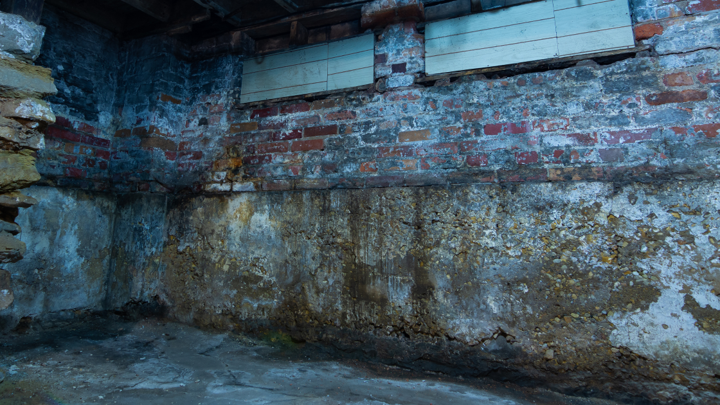
When a home waterproofing company in Belton should be on your list
Calling a home waterproofing company in Belton makes sense when water shows up more than once, stains return after cleaning, or humidity stays high even when the basement looks dry. It also makes sense before finishing a basement or storing valuable belongings downstairs.
A waterproofing plan may include interior drain tile, a sump pump, wall drainage, crack sealing, exterior drainage corrections, or grading changes. The right setup depends on how water enters.
For some homes, the bigger need is structure. Bowed walls, widening cracks, and repeated seepage through the same stress points may call for both waterproofing and repair. That can include wall stabilization or other foundation support.
A good contractor should not make you guess. They should be able to point to the evidence, explain the cause, and tell you which repairs are urgent and which are preventive.
What to check before the inspection
Take a slow walk around the property after rain. Look at where the water goes. Downspouts should not empty beside the foundation. Soil should slope away from the house. Window wells should drain instead of holding water. Patios and sidewalks should not send runoff toward basement walls.
Inside, note where water appears. Is it near the wall-floor joint? Around a crack? Under a window? In the middle of the floor? Take photos, because the basement may look dry by the time someone arrives.
Also check the main level. Look for drywall cracks around openings, trim separation, and doors or windows that have changed recently. If support issues show up under the home, structural repair in Belton may be part of the conversation.
This information helps turn a vague complaint into a clear diagnosis.
Do not wait for the obvious version
The early signs of foundation problems in a house are usually small enough to ignore. That is the problem. Water stains, musty air, recurring dampness, and sticky doors can all seem manageable until they are not.
The safer approach is to treat repeated water as useful information. It tells you where the house is vulnerable. It gives you a chance to control moisture before it damages finishes, framing, air quality, or foundation walls.
If finding one of the best home waterproofing companies in Belton is already on your mind, your house has probably given you enough clues to justify a closer look. You are not overreacting. You are trying to protect the home while the problem is still understandable.
FAQs
Can I fix basement seepage with sealant from the inside?
Sometimes it helps for a small, inactive crack. But if water pressure is building behind the wall, surface sealant often fails because it does not remove the pressure.
Are foundation problems common in clay soil areas?
They can be. Clay soil changes size as moisture levels change, and that movement can stress walls, slabs, and footings over time.
What should I do first if I see water and cracks?
Document both. Take photos, note when the water appears, and have the wall evaluated before covering or finishing the area.
If something feels off with your home, reach out to us online to schedule a free estimate at Keystone KC, or give us a call at (816) 287-1696. We’ve been fixing homes across the Kansas City area for decades. We get it, foundation problems can be scary. Cracks in the walls, doors that won’t shut, water creeping into the basement… it’s a lot. But you don’t have to figure it out alone.
We’re a local team that shows up, tells you the truth, and gets the job done right.
We’re here to help, no pressure, just real answers.


