
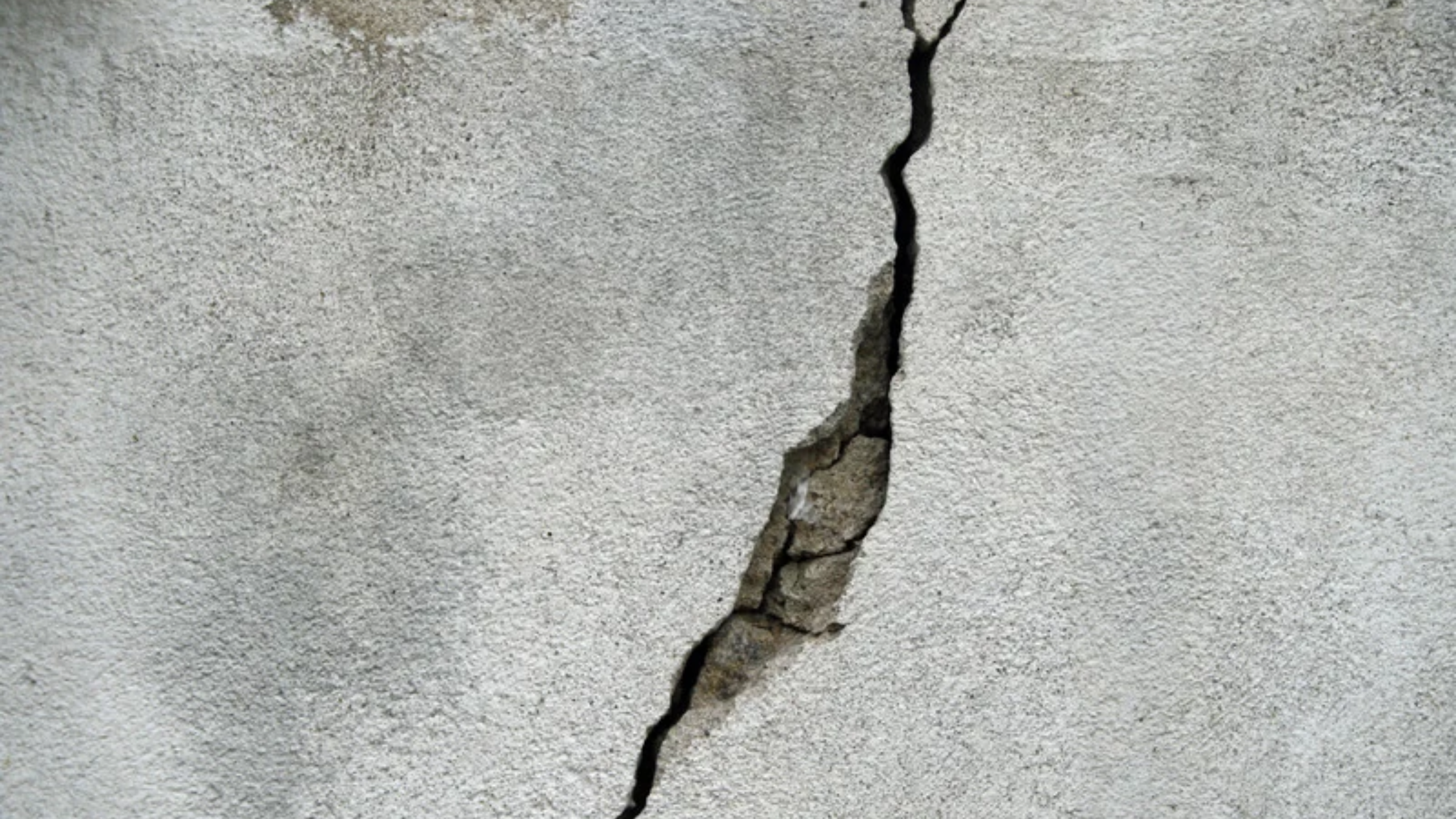
Begin With the Change, Not the Width
A basement crack deserves a closer look when its shape, location, or surrounding wall changes. A narrow line that has looked the same for years presents a different question from a crack whose edges have shifted in a month. Width alone cannot diagnose the cause. A homeowner in Belton can start by taking a clear photo with a ruler in the frame, marking the date, and noting whether the area is dry, damp, or actively leaking. Do not widen a crack or remove material just to measure it.
Record the wall and its context. Does the line run vertically through poured concrete, stair-step through masonry joints, or follow a horizontal course? Is it near a window opening, a corner, or a place where grade slopes toward the house? Look for offset between the crack edges, bowing, displaced blocks, or a wall that seems to move inward. These observations help a professional decide what to inspect first; they do not prove whether the foundation is stable.
A useful first decision is whether the concern is water entry, structural movement, or both. Sealing a visible line may stop one leak while leaving pressure or movement unaddressed. Conversely, a damp mark without wall displacement may call for tracing the water path before discussing structural work.
Compare the Inside and Outside
Walk the exterior after safe weather conditions allow. Note downspout discharge, soil that settles against the house, patios that slope toward the wall, and places where water ponds. An interior crack near a consistently wet exterior area suggests a drainage question worth investigating. It does not establish that the crack resulted from water pressure. The EPA moisture-control guidance treats site drainage and foundations as connected parts of the building moisture system.
Inside, compare the crack with floor and ceiling lines, doors, and other walls. A sticking door directly above the crack, a widening separation at trim, or a floor slope may point toward a broader movement pattern. Those symptoms also have other causes. Photograph from fixed positions so later comparisons use the same angle and scale. If the wall has been painted repeatedly, a fresh hairline in the coating might be a finish issue rather than a new concrete fracture.
Imagine a Belton homeowner who finds a thin vertical crack after a storm. The first impulse is to apply sealant. If a downspout empties at the same corner, the owner should document the leak timing and drainage as well. The right repair may involve more than the visible opening, and the inspection should say which evidence supports each part of the recommendation.
Know When to Escalate
A wall that is visibly bowing, newly displaced, or shedding material deserves prompt evaluation by an appropriately qualified professional. So does a crack accompanied by sudden floor movement or doors that abruptly stop closing. Keep people away from visibly unstable areas and avoid storing heavy items against a damaged wall. If water is near electrical equipment, do not enter a flooded space to investigate it; seek qualified help and follow electrical safety guidance.
An urgent concern is different from a diagnosis. The observed facts may justify a faster inspection without proving that a particular wall anchor, pier, brace, or excavation is needed. A contractor should identify the affected area, measure movement where possible, inspect water and soil conditions, and explain whether a structural engineer’s assessment is appropriate. Ask for the basis of any recommended urgency in writing.
If a line remains unchanged and no other symptoms are present, documenting it may be reasonable while arranging a normal inspection. Monitoring should have a defined interval and trigger: for example, new offset, recurring water, or a measurable change in length. Simply forgetting the crack is not a monitoring plan.
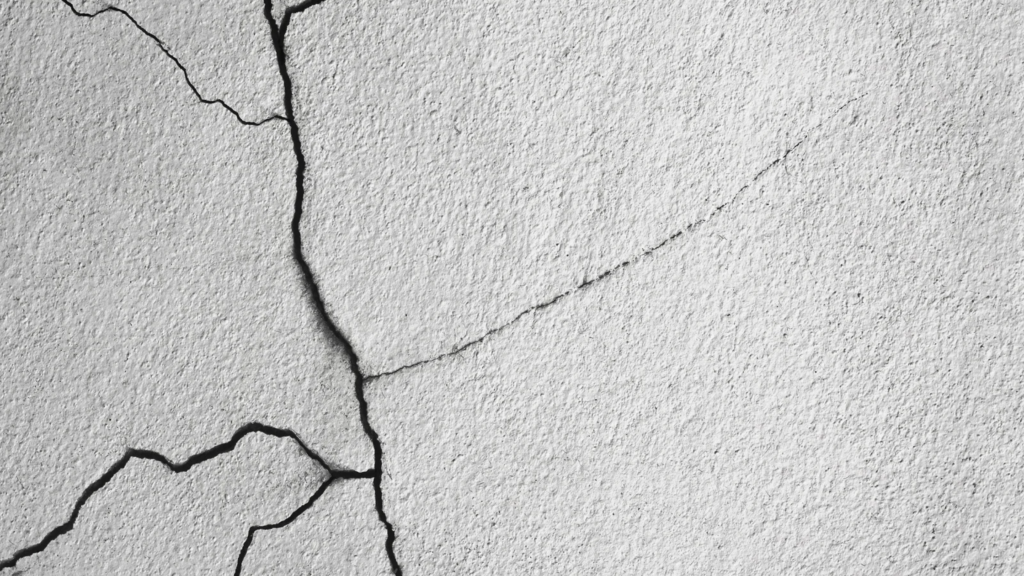
Ask for a Cause-and-Repair Explanation
A good assessment separates what is seen from what is inferred. The report or proposal should identify the crack location and pattern, any measured displacement, exterior drainage conditions, and the possibility of movement elsewhere. It should explain how the proposed work addresses the suspected cause. If the recommendation is a seal, ask whether it is intended to control water, restore strength, or only improve appearance; those are different outcomes.
Keystone KC’s foundation repair options in Belton describe wall and crack work alongside settlement and structural services. That range matters when symptoms overlap: the professional can compare water management, wall stabilization, and settlement repair rather than presuming every crack needs the same product. Ask what additional inspection would change the proposed scope. If a wall is moving, surface patching alone cannot establish whether the movement has stopped.
Request photos, measurements, a clear work area, and any assumptions about access, excavation, or finishes. Ask what will be done to the outside drainage path if it contributes to the problem. A repair plan is easier to judge when it explains both the affected wall and the conditions around it.
Avoid a Repair That Hides the Evidence
Patching before documenting can make it harder to tell whether a crack changes later. If an immediate temporary measure is needed for water, photograph the condition first and tell the inspector what was applied. A finish that conceals a line does not stabilize a wall. A new coating may also mask a leak until water appears elsewhere.
Compare proposals on scope rather than price alone. One may include drainage work and structural stabilization; another may include only a crack seal. Ask whether permits, engineering, excavation, landscaping restoration, and post-repair checks are included when relevant. A warranty should be read for its covered condition and exclusions, not taken as proof that the proposed method fits the cause.
Once the work is complete, keep the original photos and the repair record. Note the date and the problem the contractor said it solved. Recheck the area after major rain and seasonal changes. A clear baseline helps both the homeowner and any future evaluator distinguish an old repaired line from new movement.
How to Recheck a Crack Consistently
Choose two or three fixed points to photograph, such as a nearby window corner and the floor line, so a later image can be taken from the same distance. Include the entire wall in one frame and the crack detail in another. Mark the date and rain conditions in a separate note rather than writing on the wall. If the crack crosses a finished surface, note whether the finish has shifted relative to the concrete behind it. Do not use a paper tape that can fall off or stretch as the only record.
At a follow-up, ask the professional which change would require another visit and which variation is within the limits of the measurement. A one-off photo can exaggerate width because of angle, shadow, or lighting. Repeatable evidence makes a modest monitoring plan credible and helps an evaluator decide whether the original recommendation still fits.
A Practical Inspection Checklist
Bring a simple timeline: when the line was first noticed, whether it changed, which storms produced water, and any nearby changes to landscaping or downspouts. Mark crack locations on a rough basement sketch. Add photographs of the same wall from several dates. If the floor or door behavior changed, note the room and approximate date without attributing a cause.
During the visit, ask whether the crack is isolated or part of a pattern, which measurements can be repeated, and what conditions are hidden behind finishes. Ask which part of the proposed work addresses water and which addresses movement. If the answer is uncertain, ask what evidence would reduce that uncertainty before approving a large repair.
The goal is a decision tied to the actual wall, not to a generic crack chart. A homeowner can supply a much better history than a single inspection provides; a qualified evaluator can then test the plausible explanations and document a specific scope.
Frequently Asked Questions
Does a horizontal crack always mean wall failure?
No single crack pattern proves the cause. Horizontal cracking with bowing or displacement merits a prompt structural assessment.
Can I seal a crack before an inspection?
Photograph and document it first. A temporary water measure may help, but tell the evaluator what was applied and do not treat it as proof of stability.
What should a proposal distinguish?
It should distinguish water control, cosmetic sealing, and structural stabilization, with observations supporting each recommendation.

At Keystone KC, we’ve been fixing homes across the Kansas City area for decades. We get it! Foundation problems can be scary. Cracks in the walls, doors that won’t shut, water creeping into the basement… it’s a lot. But you don’t have to figure it out alone.
We’re a local team that shows up, tells you the truth, and gets the job done right.
If something feels off with your home, give us a call at (816) 287-1696 or schedule a free estimate online. We’re here to help, no pressure, just real answers.


