
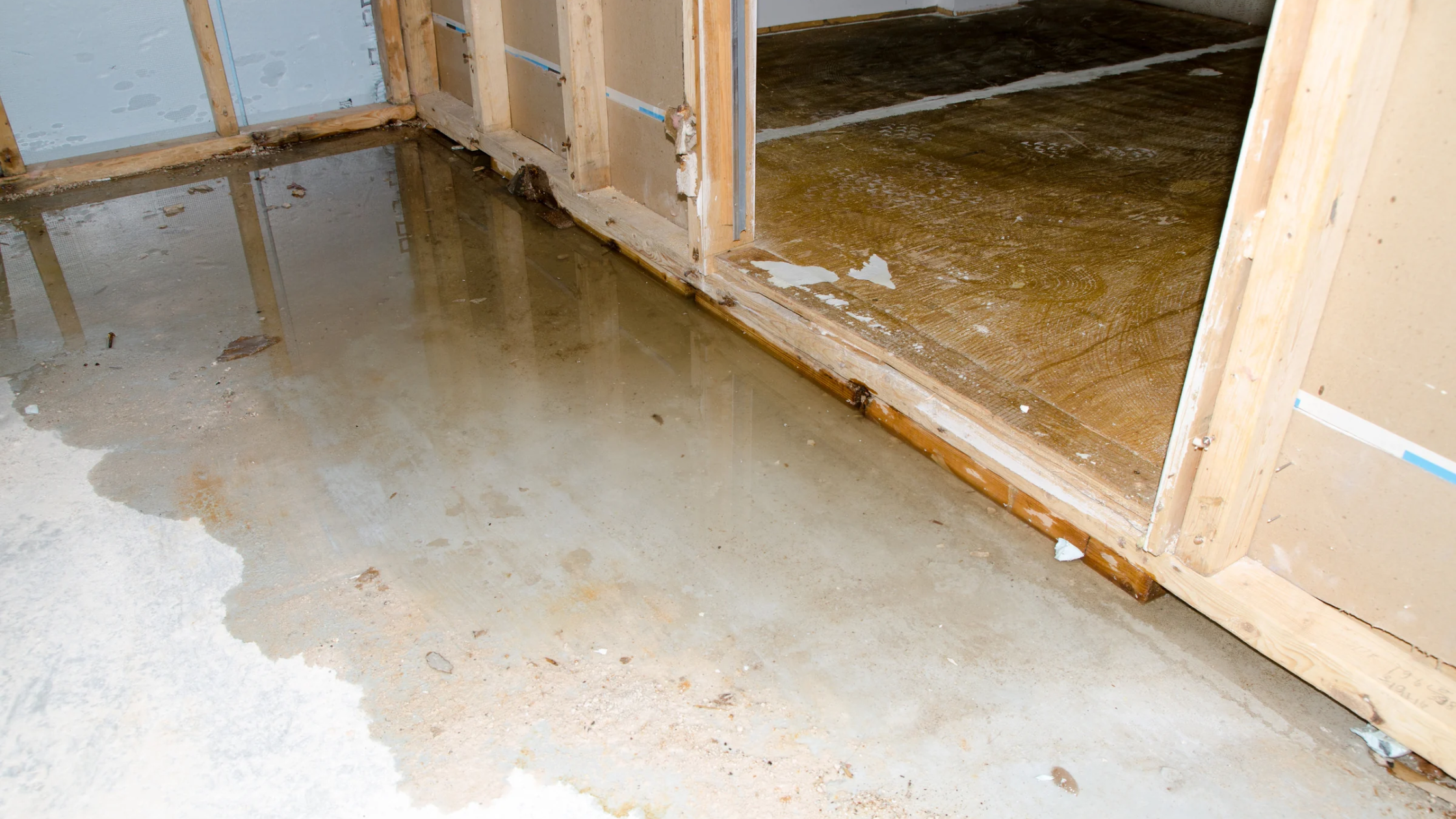
Start With When and Where Water Appears
A damp basement after rain can result from surface runoff, a wall or floor entry point, plumbing, or indoor condensation. The most useful first observation is timing. Does water appear during a downpour, hours later, or on dry days as well? A Leawood homeowner can mark the wet area’s edge on a sketch, photograph it, and note the weather and any pump activity. Avoid moving water-damaged electrical equipment or entering water near live electrical components; get qualified help.
Follow the stain upward and sideways without assuming the first visible spot is the entry. Water can run along a wall, floor joint, pipe, or framing before appearing on a finished surface. A puddle below a window well suggests one path; dampness across a broad wall suggests another investigation. A musty smell identifies a moisture concern but not its source.
For example, a homeowner may see a wet carpet corner after every heavy storm. Pulling the carpet and cleaning the surface addresses immediate damage, but a waterproofing decision requires finding whether the water entered at the wall, the floor joint, or a nearby drain.
Walk the Outside After Safe Conditions Return
Check gutters for overflow, downspout outlets, settled soil near the wall, and hard surfaces that direct water toward the house. Note window wells and whether covers or drains are obstructed. The EPA moisture-control guidance includes site drainage, foundations, and verification of moisture controls. That is a useful framework for separating an exterior water path from an interior symptom.
Do not pile soil against siding or cover weep details in an attempt to create a quick slope. Water must have a suitable place to go, and grading changes can affect doors, patios, utilities, and neighboring properties. A professional can evaluate feasible discharge points and relevant local requirements. If a downspout outlet is broken or clogged, that repair may be part of a broader plan.
Photographs taken during rain can be unusually valuable: a dry-day inspection may miss a gutter that spills only under heavy flow. Stay off ladders in storms and keep clear of flooded electrical areas. Record what can be seen safely from the ground.
Separate Source Control From Water Collection
Exterior measures may include drainage or waterproofing at the wall, depending on access and the actual water path. Interior measures may collect water at a perimeter system and direct it to a sump. These approaches solve different parts of the problem, and a home may need a combination. A coating on the interior face alone cannot tell you whether water pressure outside the wall or a surface drainage defect has been addressed.
Keystone KC’s waterproofing assessment in Leawood is the matching city service destination when an owner needs the entry route and available options evaluated. Ask the assessor to identify observed wet areas, suspected entry points, exterior drainage conditions, and why the proposed work fits that evidence. A service label such as ‘waterproofing’ is too broad to evaluate without a defined scope.
If a sump is proposed, discuss its discharge location, power, maintenance, and what happens during an outage. If exterior excavation is proposed, discuss access, utilities, landscaping, and how the wall and drain will be restored. The design should make the intended water route understandable from roof to discharge.
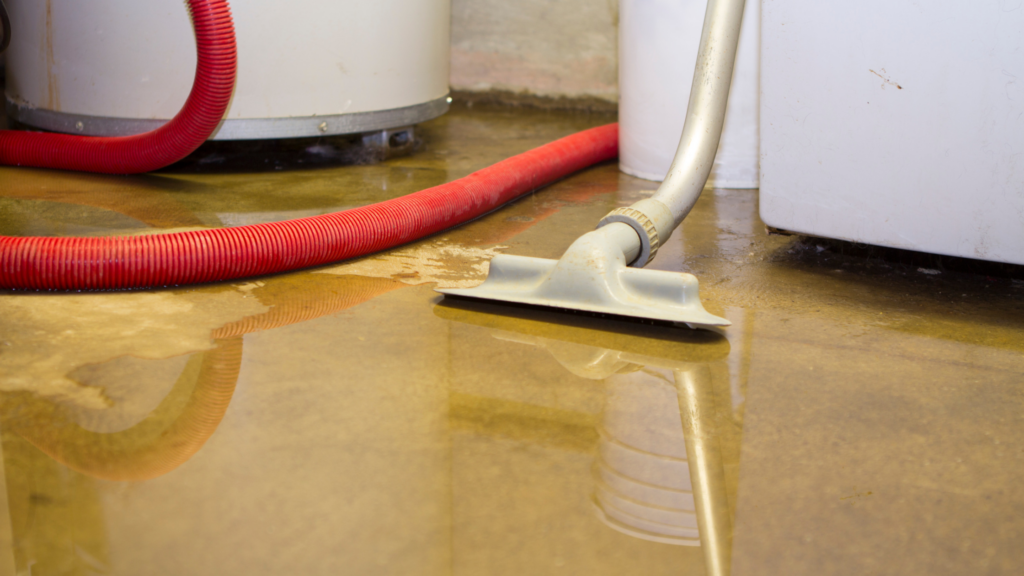
Include the Building Interior in the Investigation
Check plumbing fixtures, supply lines, condensation on cold surfaces, and indoor humidity. A dehumidifier can help manage air moisture but does not stop an active leak. A damp wall behind stored boxes may be harder to inspect and slower to dry. Move belongings away from affected areas when safe, protect materials, and document any damage before cleanup.
If mold or extensive wet materials are present, follow appropriate cleanup guidance and consider qualified remediation. Do not cover wet material with new finish. The drying and repair plan should distinguish the water source from the materials it damaged. A waterproofing contractor may manage the source while another trade handles plumbing, electrical, or restoration needs.
Basement moisture also varies by season. Keep a log of rain events, humidity conditions, pump cycles, and where moisture returns. A single dry inspection does not negate a well-documented recurring leak. Conversely, condensation on an exposed pipe during humid weather may call for a different response from water that pours through a joint during storms.
Compare Waterproofing Proposals by Water Path
Ask each contractor to show the proposed collection point, drainage route, discharge point, and access area. Which observed condition does each component address? What remains outside the scope? If only one wall is included, ask why adjacent wet areas are excluded. If a sump is involved, clarify ownership of electrical work and any backup provision. If exterior grading is included, define the finished elevation and restoration.
The cheapest number may cover only the visible entry point; a larger plan may include drains and site changes. Neither is automatically right. The useful comparison is whether the scope follows evidence and whether the homeowner can maintain the system. Request a plan for verifying performance after installation, such as inspection after rain and checking discharge.
Avoid a promise that a basement will be ‘dry forever’ without defining the conditions and coverage. Read warranties for what failure is covered, how service is requested, and what maintenance the owner must perform. The strongest proposal makes limitations explicit.
What to Do While Waiting for an Assessment
Reduce ongoing damage safely: move dry belongings away from the wet area, collect dated photographs, and arrange drying of materials that can be salvaged. Do not run fans or electrical equipment in standing water. If a plumbing line may be involved, have that system assessed promptly rather than waiting for the next rain. If the entry is clearly linked to an overflowing gutter, schedule safe cleaning or repair after the storm.
Avoid sealing over a wet finish to make the wall appear dry. Trapped moisture can continue damaging materials and hide the entry point from the evaluator. Leave a clear path to the affected wall, sump, and exterior drainage features for the visit. Prepare a list of past repairs and whether they changed the water pattern. That history can reveal whether a previous measure addressed the true source or merely moved the visible symptom. Keep notes on every affected room, because moisture may show up in several places during the same storm.
Build a Rain Event Record
Before work, note the amount and timing of rain if available, where water first appeared, whether the sump ran, and whether roof drainage overflowed. A simple diagram and dated photos are enough. Repeat the observations after the chosen work; they become a fair way to compare the outcome with the original concern.
Keep drains, gutters, and discharge lines accessible for routine maintenance. If water returns, record the new entry point rather than assuming it is identical to the original leak. A new plumbing failure or blocked discharge can look similar inside. Bring the record to the contractor for a focused follow-up.
The best decision begins with the route water takes through the property and building. Once that route is understood, an owner can decide whether surface drainage, wall work, interior collection, or a combination is justified.
Frequently Asked Questions
Will a dehumidifier fix a rain leak?
It can help manage indoor humidity, but it does not stop liquid water entering through a wall, floor joint, or drain.
Is an interior drain always enough?
It may manage incoming water, but the appropriate plan depends on the exterior drainage and entry route. An assessment should explain the choice.
What should I photograph during a storm?
From a safe location, record gutter overflow, downspout discharge, exterior ponding, the first wet interior location, and pump behavior.

At Keystone KC, we’ve been fixing homes across the Kansas City area for decades. We get it! Foundation problems can be scary. Cracks in the walls, doors that won’t shut, water creeping into the basement… it’s a lot. But you don’t have to figure it out alone.
We’re a local team that shows up, tells you the truth, and gets the job done right.
If something feels off with your home, give us a call at (816) 287-1696 or schedule a free estimate online. We’re here to help, no pressure, just real answers.


